
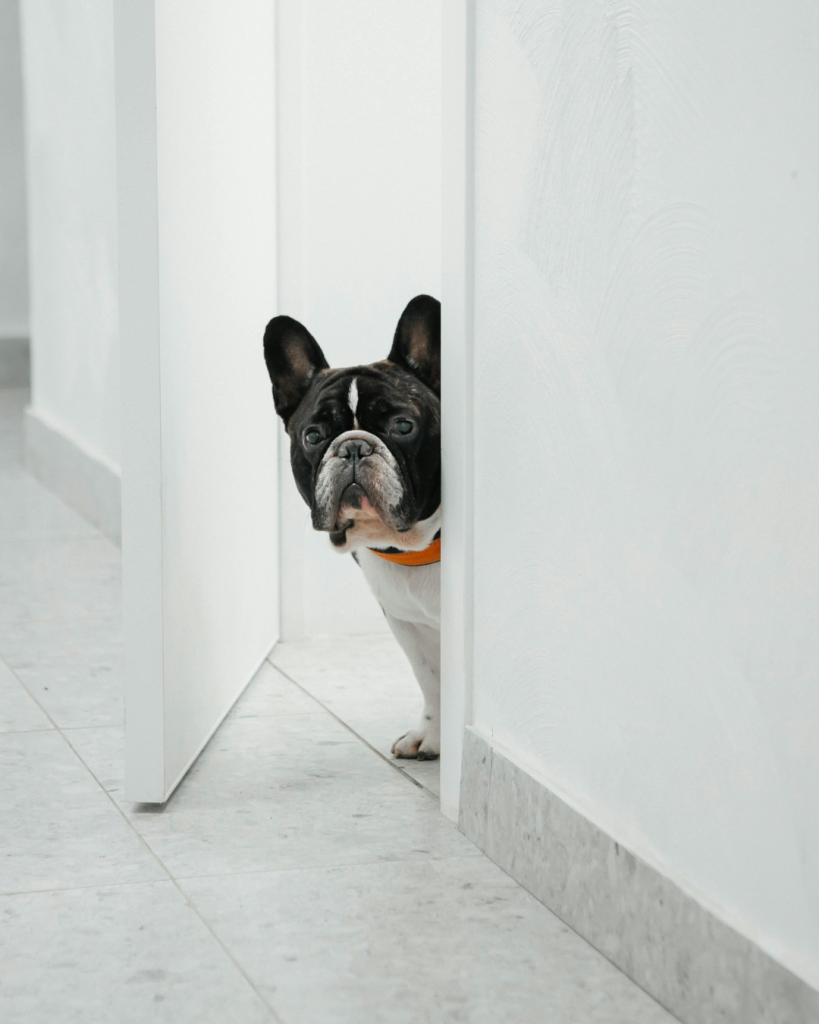
The walk doesn’t start when the door opens. For many dogs it starts several minutes earlier: when we get up from the sofa, pick up the lead, put on our shoes or say that magic phrase, “walkies”.
The excitement starts early!
A dog very quickly learns the little sequences that come before a walk. Our shoes, the keys, the harness, the lead, even the way we move around the house can all work as signs that something fun is about to happen.
If every time we pick up the lead the dog starts jumping, running, barking or spinning around us, and right after that we go out, they very easily learn that this intensity is part of the routine.
They don’t do it “on purpose”. They’ve learned a sequence.
We don't need to take away their joy
The aim isn’t for them to become indifferent when they realise a walk is coming. We want a dog who loves going out.
What we want them to learn is that excitement doesn’t have to turn into chaos.
They can be happy and wait at the same time. They can see the lead and stay functional. They can wait for us to put on their harness without us having to wrestle with them.
The door isn't a starting line
One of the most common mistakes is trying to “correct” the dog only at the moment the door opens.
But if they’ve already spent the last five minutes in a state of complete excitement, it’s very hard to expect them to go out and suddenly be calm and focused.
The work starts earlier.
Small steps make a big difference
We can practise the whole routine without even leaving the house.
We pick up the lead and put it down again. We put on our jacket and carry on with what we were doing. We pick up the keys and don’t leave. We put on the harness and wait a few seconds before moving on to the next step.
This way we gradually disconnect these triggers from an instant “explosion” of excitement.
And when it's time to go?
We want the dog to be able to leave the house in a state where they can listen to us and take in their surroundings.
If every outing starts with pulling, barking, running and panic at the door, the walk can become much harder before we even reach the pavement.
We don’t need to demand “basic obedience”. We need to give them the chance to start with as much calm as possible.
The walk begins before the... walk
Sometimes the best change to our walk isn’t outside. It’s in the five minutes before the door opens.
If we teach our dog to gradually manage their excitement while still at home, we give them a much better chance of going out and truly enjoying what comes next.
Because the walk doesn’t start when you step onto the pavement.
It starts the moment the dog realises it’s coming.