
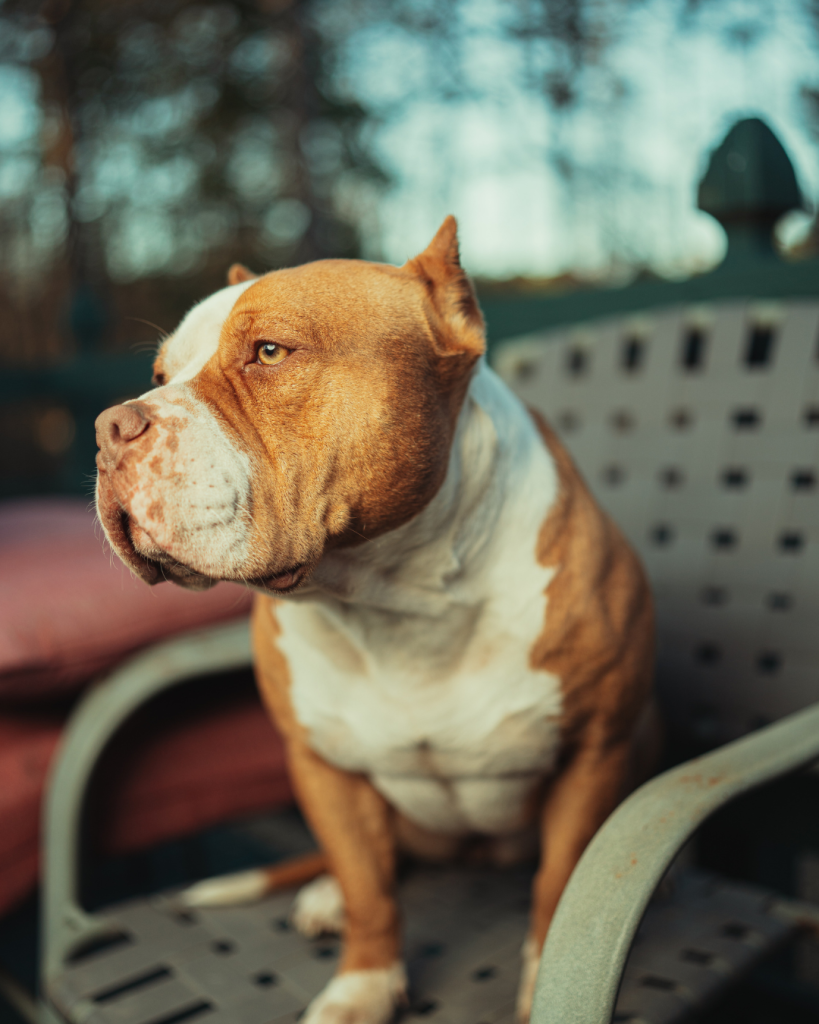
Being able to take your dog out for coffee while they sit calmly beside you is wonderful. But it doesn’t happen just because you’ve taken them to a café many times. It takes training, proper socialisation and a dog who can genuinely relax in an environment full of stimuli.
How can I take my dog out for coffee?
Before we expect our dog to sit calmly next to us for an hour in a busy café, they first need to have learned to relax in much easier conditions.
Basic obedience can help a lot. The dog needs to be able to communicate with us, respond to their name and know basic behaviours that will help us guide them when we’re out.
But basic obedience isn’t all they need.
Let off steam before coffee
A dog who has spent the whole day at home and suddenly finds themselves in a café with people, dogs, smells, food, chairs and constant noise is very likely to struggle to relax.
The right physical and mental exercise before coffee can make a huge difference. A walk with time to sniff, some movement, play or a mental activity can help the dog arrive at the café in a much better state.
But we don’t want to wear them out so they “collapse”. We want to meet their needs so they can relax.
A café is a difficult environment
For us, having a coffee is something simple. For a dog, a café can be an environment full of stimuli.
People walking past, other dogs, noises, smells, food, waiters approaching and chairs being moved can keep their attention constantly on alert.
That’s why we don’t start with the busiest café in town.
We start with an environment the dog can cope with and gradually increase the difficulty.
Having our dog with us everywhere isn't the goal
“I want my dog with me everywhere” sounds wonderful, but it isn’t necessarily the right goal. The goal is for our dog to be able to be with us in different environments and feel safe enough to relax.
And it’s just as important that they can also stay on their own when needed.
A dog who has to follow us everywhere to be OK isn’t necessarily a dog with the greatest possible confidence, and therefore calm.
Not every dog wants to have coffee with you
And that is (and should be) completely fine.
A dog may find busy places hard, get anxious around other dogs or people, or simply prefer a quiet home and a walk in nature.
The aim of dog training isn’t to make every dog suitable for every situation. It’s to give them the skills and confidence they need to handle their own reality.
Small steps
If you want to teach your dog to come out with you for coffee, start with small steps.
A quiet café, at a time when it isn’t busy. A table away from the entrance. A short stay. And of course, a reward when the dog chooses to relax.
Gradually we can increase the time and the difficulty, always watching the dog and without pushing them beyond what they can manage.
Good behaviour starts before we reach the café
The dog training needed to have a dog with us in everyday life doesn’t only happen at the café table. It’s built at home, on walks, in play, through socialisation and in all the small moments when we teach our dog to communicate with us and handle their surroundings.
Basic obedience is an important tool, but the real skill is for the dog to stay calm and functional while things are happening around them.
And in the end, the best sign that training has worked isn’t that your dog comes with you everywhere. It’s that they can be with you at the café, lie down beside you, relax and enjoy the moment.
And that you finally get to drink your coffee while it’s still hot.
You don't need to do more
In dog training, consistency matters far more than trying to do everything.
We don’t need to do an hour of basic dog obedience every day or turn every walk into a workout. Applying small things consistently in our everyday life can be worth much more.
One minute of communication at home. A short game. A few minutes of calm walking. One good choice in a difficult moment.
It all adds up.
Training is your everyday life
Ultimately, dog training isn’t something we only do when we have a lesson. It’s the way we live together. It’s the walk, play, boundaries, calm moments, the challenges we face and the way we communicate every day.
And perhaps this is the most important part of training: we’re not just trying to teach our dog to obey us. We’re learning to understand them, too.