
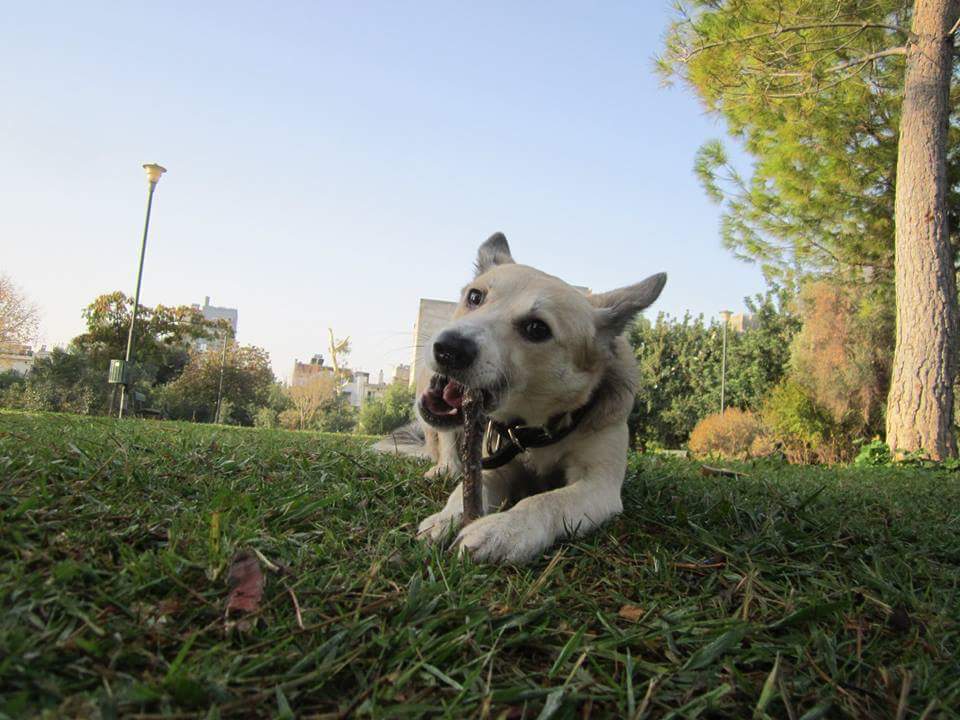
If your dog pulls on walks, pulls on the lead and every outing has become a small battle, something needs to change. Not listening on walks doesn’t necessarily mean they’re “disobedient” — most of the time there’s something in your communication that needs work.
Why do they pull on walks?
When a dog pulls on the lead, there’s usually a very simple reason: the world around them is full of interesting things. Smells, sounds, people, other dogs and constant new stimuli can make the walk far more exciting for them than it is for us.
That doesn’t mean our dog has decided to ignore us. They may simply not have learned yet how we want to walk together.
If your dog pulls on walks and every attempt to keep them close ends in constant pulling on the lead, it’s worth taking a step back and building communication first.
“They don't listen on walks” often starts at home
Before we expect our dog to pay attention to us on a street full of stimuli, they first need to understand the ways in which they can communicate with us.
At home or in a quiet environment we can work on very simple behaviours: looking at us, following us, responding to their name and choosing to stay close to us.
When a dog doesn’t listen on walks, it isn’t always because they “forget” what they’ve learned. The environment may simply be too difficult at that moment for their level of training.
We don't need to correct pulling all the time
If every time they pull on the lead we pull in the opposite direction, it can easily turn into a constant tug of war.
Instead of trying to force them to stay beside us, we want to teach them that a relaxed walk and communication with us are what lead them to the things they want to do.
Training for loose-lead walking takes time and consistency. We don’t expect a dog who was pulling the whole walk until yesterday to suddenly walk perfectly for an hour.
A walk is full of stimuli
Even a dog who walks beautifully down a quiet side street may start to pull on the lead when another dog, a strong smell or something exciting appears.
That’s normal.
Training needs to progress gradually, adding stimuli as the dog is able to cope. If we expect them to be perfect in the most difficult environment, we’re both very likely to end up frustrated.
A walk isn't only training
A very important part of the walk is letting the dog explore, sniff and move without constantly being in “work” mode.
If a dog pulls on walks because they want to sniff a spot, it doesn’t necessarily mean we have to forbid it. We can teach them that there are moments when we walk together and moments when they’re free to explore.
A good walk isn’t one where the dog never pulls. It’s one where there is communication and we can agree on what we both need and want to do.