
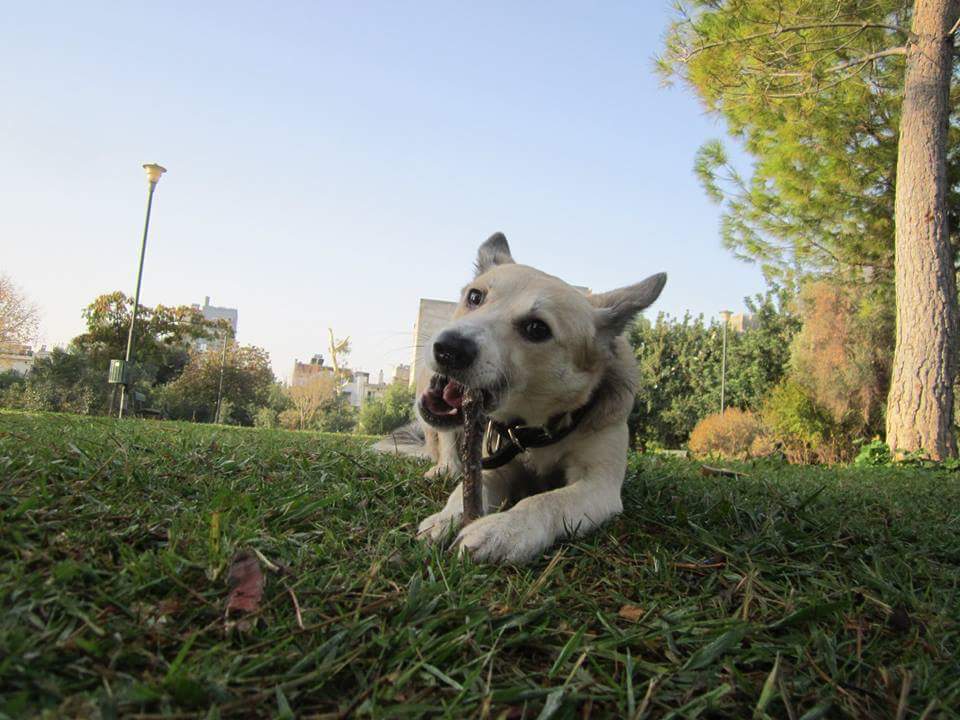
Dog training isn’t just lessons and commands. It’s part of everyday life together — from the way we communicate and play to the way we handle walks, boundaries and the small moments of the day.
Dog training happens every day
When we talk about dog training, it’s easy to think only of lesson time: “sit”, “stay”, “come”, lead walking and basic dog obedience.
But our dog is constantly learning, whether we’re doing formal training or not. The way we react when they bark, the way we give them attention, when play starts and stops, even the way we go for a walk, all give them information about what we expect from them.
Small everyday moments build habits, and habits shape behaviour.
Puppy training starts early, too
Puppy training doesn’t need to wait until they’re older. From the first days a puppy comes into our life, they learn through everyday life.
How we touch them, how we show them the world, how we play with them, how we teach them to settle and how we set boundaries are all part of puppy training.
That doesn’t mean a puppy should spend hours doing “lessons”. It means every experience is a chance to learn something about the world and about how their relationship with us works.
Basic dog obedience is the foundation, not the end goal
Basic dog obedience is important. We want our dog to respond to their name, come when called, be able to wait, walk with us and understand some basic cues.
But training doesn’t end there.
The aim isn’t to have a dog who performs commands perfectly in a quiet room. We want a dog who can communicate with us and function in real life.
The walk is part of training
The walk is one of the most important parts of everyday life and, at the same time, a huge learning ground.
Outside there are smells, people, other dogs, cars, noises and dozens of different stimuli. The walk gives us the chance to work on communication, self-control and cooperation, but also to let the dog explore and enjoy their surroundings.
But not every walk needs to turn into a lesson. A dog also needs time to sniff, move, explore and simply be a dog.
The relationship is part of training
Dog training isn’t just rules and commands. It’s also a relationship.
The time we spend together, play, cuddles and calm moments are just as important. A dog who feels safe with and trusts their human has a much better foundation for working with them.
Even during a walk, taking a few moments to stop, crouch down, stroke them or talk to them calmly can greatly strengthen your connection.
Play is a tool
Play isn’t just a way to pass the time. It can become an excellent tool in dog training.
If you bring their favourite toy and spend a few minutes playing together, you create a shared activity that strengthens your bond.
At the same time, you can teach your dog to start and stop play on your initiative.
That way, play becomes a form of communication and cooperation, not just a way to let off steam.
Boundaries give a sense of safety
Training doesn’t mean constantly saying “no”. It means giving our dog clear information about what we expect from them. Boundaries, when set consistently and calmly, create a framework in which the dog can feel safe and secure.
This is especially important in puppy training too, because the puppy needs to gradually learn the rules of living together.
You don't need to do more
In dog training, consistency matters far more than trying to do everything.
We don’t need to do an hour of basic dog obedience every day or turn every walk into a workout. Applying small things consistently in our everyday life can be worth much more.
One minute of communication at home. A short game. A few minutes of calm walking. One good choice in a difficult moment.
It all adds up.
Training is your everyday life
Ultimately, dog training isn’t something we only do when we have a lesson. It’s the way we live together. It’s the walk, play, boundaries, calm moments, the challenges we face and the way we communicate every day.
And perhaps this is the most important part of training: we’re not just trying to teach our dog to obey us. We’re learning to understand them, too.